
How to Start a Small Herb Garden Indoors: A Beginner’s Guide
xyvypoo.pro >> Herb Garden>>Indoor Gardening>> How to Start a Small Herb Garden Indoors: A Beginner’s Guide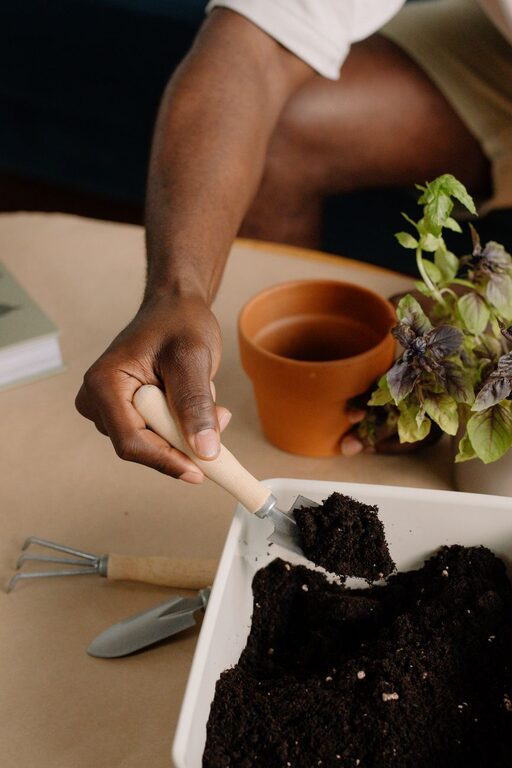
How to Start a Small Herb Garden Indoors: A Beginner’s Guide
Starting a small herb garden indoors is a rewarding way to enjoy fresh, aromatic herbs all year round. Whether you have limited space or want to add some greenery to your kitchen, growing herbs inside is simple and enjoyable. This guide will walk you through the essential steps to create a thriving indoor herb garden, from choosing the right herbs to caring for them properly.
Why Grow Herbs Indoors?
Growing herbs indoors offers several benefits. Fresh herbs are always on hand for cooking, teas, and even natural remedies. Indoor gardening also brightens your space and can improve air quality. Plus, growing your own herbs reduces the need to buy packaged herbs that may lose flavor over time.
Choosing the Right Herbs for Indoor Gardening
Not all herbs thrive indoors, so it’s important to select varieties suited to indoor conditions and your personal preferences. Here are some popular herbs that do well inside:
– Basil: Loves warmth and sunlight; great for Italian dishes.
– Parsley: Hardy and versatile, works in many recipes.
– Mint: Easy to grow but can spread quickly, so keep it contained.
– Thyme: Prefers bright light and well-draining soil.
– Chives: Minimal care and a mild onion flavor.
– Cilantro: Needs cooler temperatures and moderate light.
Selecting Containers and Soil
Choosing Containers
Herbs need containers with good drainage to prevent root rot. You can use:
– Ceramic or terracotta pots with drainage holes.
– Plastic pots with adequate holes.
– Recycled containers like mason jars or tin cans (just add holes yourself).
Make sure the containers are the right size for the herb’s root system—usually 4 to 6 inches deep.
Soil
Use a high-quality potting mix designed for indoor plants. Avoid garden soil, which can be too dense and may contain pests. A well-draining soil mix keeps roots healthy and speeds growth.
Finding the Right Location
Most herbs need plenty of natural light, ideally 6 hours or more per day. A south-facing windowsill is often the best spot. If natural sunlight is limited, consider using a grow light designed for plants, which can provide the full spectrum of light herbs need.
Planting Your Herbs
You can start your herb garden from seeds or buy young plants from a nursery.
From Seeds
- Fill your container with potting soil.
- Plant seeds according to package depth instructions.
- Water gently to moisten the soil.
- Cover containers with plastic wrap or a humidity dome until seeds sprout.
- Remove the cover once seedlings emerge.
- Transplant the young herbs into your pot with fresh soil.
- Water thoroughly and place in a bright spot.
- Pinch off flowers to encourage leaf growth.
From Starter Plants
Caring for Your Indoor Herb Garden
Watering
Herbs generally like moist soil but not soggy conditions. Check soil moisture by sticking your finger about an inch deep. Water when the soil feels dry. Avoid overwatering, which can cause root rot.
Light
Ensure your herbs get adequate light daily. Rotate pots occasionally to allow even growth. If using grow lights, keep them on for about 12-16 hours a day.
Temperature and Humidity
Most herbs prefer temperatures between 65°F and 75°F. Avoid placing plants near drafts, heaters, or air conditioners. Indoor humidity levels are usually fine, but if your home is very dry, misting the plants or using a humidity tray can help.
Fertilizing
Use a balanced, water-soluble fertilizer every 4-6 weeks during the growing season. Follow package instructions carefully to avoid over-fertilizing.
Harvesting Your Herbs
Regular harvesting encourages herbs to produce new growth. Harvest leaves in the morning for the best flavor. Use sharp scissors or pinch off sprigs just above a leaf node to keep plants healthy. Avoid taking more than one-third of the plant at a time.
Troubleshooting Common Issues
– Yellowing leaves: May indicate overwatering or insufficient light.
– Leggy or sparse growth: Usually a sign of not enough light.
– Wilting: Could be underwatering or root problems.
– Pests (like aphids or spider mites): Wipe leaves with a mild soap solution or use insecticidal soap.
Tips for Success
– Start small with a few herbs you use often.
– Group plants with similar care needs.
– Keep track of watering and light to develop a routine.
– Be patient—some herbs take time to establish indoors.
Conclusion
Creating a small herb garden indoors is an accessible and enjoyable way to bring fresh flavors to your cooking and a bit of nature into your home. With the right plants, containers, and care, you can enjoy vibrant herbs year-round. Happy gardening!